
Inside the Metal Foundry
November 19, 2025
Industrial Machine Castings: How They Are Made and Used
January 24, 2026
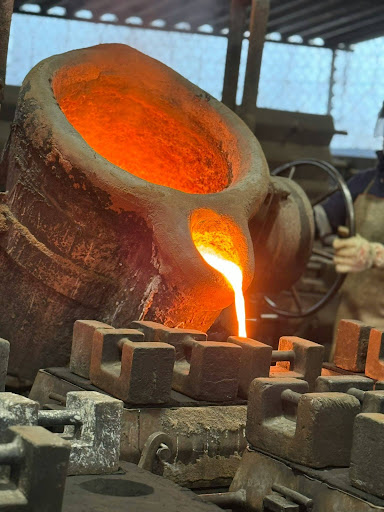
The iron foundry remains an irreplaceable pillar of global manufacturing, serving as the specialized facility where raw ferrous materials are transformed into high-performance components. As we navigate the industrial landscape, the distinction between a general metal shop and a dedicated iron foundry has become more critical than ever for engineers and procurement specialists. Unlike facilities that handle non-ferrous metals like aluminum or brass, an iron foundry focuses exclusively on the complex metallurgy of iron and its various alloys, such as gray, ductile, and malleable iron. These facilities are designed to withstand the extreme thermal requirements of ferrous melting, often utilizing advanced induction furnaces that allow for precise control over the carbon and silicon levels that define the final material properties of the casting.
Currently, the competitive edge of a top-tier iron foundry is defined by its integration of “Smart Foundry” technologies and AI-driven process controls. Modern iron casting is no longer a game of trial and error; instead, it relies on sophisticated simulation software that predicts fluid dynamics and thermal contraction within the mold. This digital-first approach allows iron foundries to achieve near-zero defect rates even when producing massive, complex components like engine blocks, pump housings, or heavy-duty transmission cases. By utilizing real-time spectroscopic analysis, foundry technicians can adjust the chemical composition of the molten iron in seconds, ensuring that every batch of custom iron castings meets the rigorous tensile strength and hardness standards required by the automotive, construction, and defense sectors.
Sustainability and reshoring have become the two most significant trends driving the iron foundry industry. With a renewed focus on domestic supply chains, many manufacturers are turning to local iron foundries to reduce lead times and ensure better quality oversight compared to overseas alternatives. Furthermore, the modern iron foundry is a leader in environmental responsibility, often operating as a massive recycling center that breathes new life into iron and steel scrap. By implementing closed-loop sand reclamation and high-efficiency dust collection systems, these facilities have significantly lowered their environmental footprint while maintaining the high-volume production capabilities necessary to support national infrastructure projects. This combination of ecological mindfulness and industrial power makes the iron foundry a vital partner for companies aiming to meet both performance and ESG goals.
The versatility of iron as a material ensures that the demand for iron foundry services continues to grow across emerging technologies. While newer materials like carbon fiber or high-grade plastics are frequently discussed, they often lack the vibration damping, heat resistance, and sheer compressive strength that only cast iron can provide. From the heavy hubs of offshore wind turbines to the precision-machined brake components of the latest electric vehicles, the products of the iron foundry are literally the bones of the modern world. As foundries continue to adopt 3D sand printing for rapid prototyping and robotic finishing for increased consistency, the gap between traditional metalworking and high-tech manufacturing continues to close. The iron foundry is not just a relic of the industrial past; it is a high-tech laboratory where the durable future of our global infrastructure is being cast today.