
Navigating the Modern Metal Casting Foundry
October 15, 2025
The Modern Iron Foundry
December 11, 2025
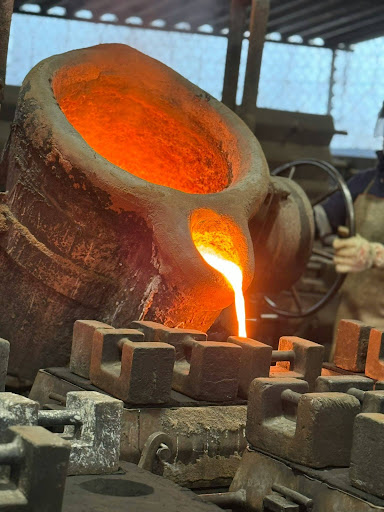
A metal foundry is the physical heart of the manufacturing world, a specialized facility where raw elements are transformed into the foundational components of modern life. In 2025, the role of the metal foundry has expanded beyond simple production to become a center of metallurgical excellence and strategic engineering. These facilities provide the controlled environment necessary to melt ferrous and non-ferrous metals at temperatures exceeding several thousand degrees, ensuring that every pour meets the exact chemical and physical requirements of the client. From small-scale jobbing foundries that specialize in custom, one-off artistic pieces to massive production foundries that churn out thousands of automotive parts daily, these establishments are where the skeletal structures of our global infrastructure are born.
The operational success of a metal foundry depends on a rigorous and sequential workflow that begins long before any metal is melted. It starts with meticulous patternmaking and mold preparation, where the quality of the sand, ceramic, or metal die determines the precision of the final product. Modern foundries in 2025 utilize advanced laboratory testing to monitor the “melt” in real-time, ensuring that alloying elements like magnesium, carbon, and silicon are perfectly balanced. This scientific precision is what allows a foundry to guarantee the structural integrity of critical safety components, such as those found in aerospace engines or high-pressure gas valves. Without the specialized atmosphere and technical expertise found within these walls, the mass production of high-performance metal goods would be impossible.
Safety and environmental compliance are the defining characteristics of a world-class metal foundry in the current era. Given the inherent risks of working with molten liquid and heavy machinery, 2025 standards have seen a total integration of smart personal protective equipment and automated air filtration systems. These advancements have drastically reduced the health risks associated with traditional metalworking, creating a cleaner and more attractive workplace for the next generation of skilled tradespeople. Furthermore, the modern foundry is a leader in recycling, often sourcing a significant portion of its raw material from scrap metal. This commitment to the circular economy not only lowers production costs but also reduces the environmental impact of mining and refining primary ores, making the foundry a surprisingly green link in the industrial supply chain.
Ultimately, choosing the right metal foundry is a strategic decision for any business involved in hardware or infrastructure development. A capable foundry does more than just supply parts; it acts as a collaborative partner that provides “Design for Manufacturing” feedback, helping to refine part geometry for better castability and lower costs. As we see a resurgence in domestic manufacturing and a push for shorter supply chains, the importance of reliable, technologically advanced metal foundries cannot be overstated. They remain the indispensable bridge between a digital design and a physical reality, proving that even in a world of software and silicon, the strength of the future is still forged in fire and sand.