Ductile Iron Casting for High-Strength Industrial Parts
April 23, 2026
Ductile Iron Castings: Properties, Grades, and Modern Foundry Practices
June 30, 2026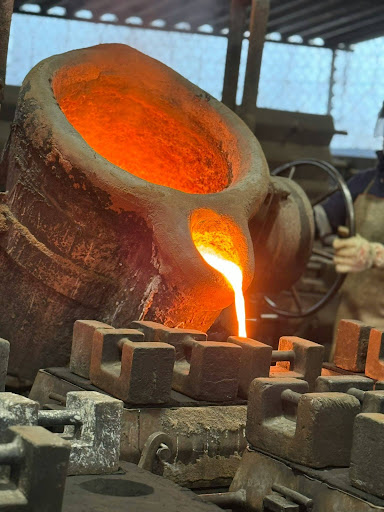
Sand casting is one of the most popular metal casting methods in modern manufacturing. While the process has been around for centuries, it continues to play an essential role in producing durable, complex components for industrial use. Today, sand castings are relied upon across a range of industries because they offer flexibility, efficiency, and consistent performance.
At G&W Foundry, sand casting is a core part of how we produce high-quality components for real-world applications. By combining proven techniques with controlled processes, we’re able to deliver castings that meet the demands of modern manufacturing.
Understanding how we make sand castings, along with their advantages and applications, can help explain why this method remains so widely used.
What Are Sand Castings?
Sand castings are metal components that we form by pouring molten metal into a mold made from specially prepared sand. Once the metal cools and solidifies, the mold is removed, leaving behind the finished casting.
This process allows manufacturers to create parts with complex shapes and varying sizes, from smaller components to large industrial structures. Because the mold is formed from sand, it can be adapted to accommodate different designs and production needs.
A modern sand casting process uses controlled materials, precise mold design, and consistent pouring techniques to ensure reliable results.
The Sand Casting Process Explained
Although sand casting can vary slightly depending on the foundry and application, the general process follows a series of well-defined steps.
Pattern Creation
The process begins with a pattern, which is a replica of the final part. Patterns are used to shape the mold cavity and determine the dimensions of the finished casting.
Patterns can be made from wood, metal, or other materials, depending on the production requirements. Accuracy at this stage is important because it directly affects the final casting.
Mold Preparation
Once the pattern is ready, it is used to form a mold using specially prepared sand. The sand mixture is designed to withstand high temperatures while maintaining its shape during the casting process.
The mold includes channels, known as gating systems, that allow molten metal to flow into the cavity. Venting is also incorporated to allow gases to escape safely during pouring.
Mold preparation plays a key role in ensuring proper metal flow and minimizing defects.
Melting the Metal
After we prepare the mold, we melt the selected metal in a furnace. The type of metal used depends on the application and the required properties of the final casting.
During this stage, we carefully control the metal’s composition and temperature. Maintaining consistency helps ensure the casting will meet performance and durability requirements.
Pouring the Metal
Once the metal reaches the correct temperature, we pour it into the sand mold. The molten metal flows through the gating system and fills the mold cavity.
Proper pouring techniques are important for achieving even distribution and avoiding defects such as air pockets or incomplete fills.
Cooling and Solidification
After pouring, the metal cools and solidifies within the mold. Cooling time varies depending on the size and complexity of the casting.
Controlled cooling helps maintain structural integrity and reduces the risk of cracking or distortion.
Shakeout and Finishing
Once the metal has solidified, we break away the sand mold in a process known as shakeout. Then we clean the casting and prepare it for finishing.
Finishing may include grinding, trimming, or machining to meet final specifications. These steps ensure the casting is ready for use in its intended application.
Advantages of Sand Castings
Sand casting remains a preferred manufacturing method because it offers several practical advantages.
Flexibility in Design
One of the key benefits of sand castings is the ability to produce complex shapes. We can incorporate internal cavities, varying wall thicknesses, and detailed features into the mold design.
This flexibility allows manufacturers to create components that might be difficult to produce using other methods.
Cost-Effective for Various Production Sizes
Sand casting is adaptable for both small and large production runs. Because molds are sand, tooling costs are generally lower compared to other casting methods.
This makes sand castings a practical option for custom components as well as larger production volumes.
Wide Range of Materials
Sand casting works with a variety of metals, including iron, steel, and other alloys. This versatility allows manufacturers to select materials based on the performance requirements of the application.
Suitable for Large Components
Unlike some casting methods that are limited by size, sand casting produces large industrial components. This makes it a valuable process for industries that require heavy-duty parts.
Reliable Performance
With proper process control, sand castings can deliver consistent quality and performance. Modern foundries use refined techniques to ensure repeatability across production runs.
More about Sand Casting with G&W Foundry >
Common Applications of Sand Castings
Sand castings are used across many industries because of their strength and adaptability.
Industrial Equipment
Many machine components, including housings, frames, and bases, are produced using sand casting. These parts require durability and dimensional stability to support ongoing operation.
Infrastructure and Utilities
Sand castings are commonly used in infrastructure systems, including components that support transportation, water systems, and public works.
Heavy Machinery
Construction and agricultural equipment often rely on sand castings for structural parts that must withstand heavy loads and harsh environments.
Energy and Processing Systems
Components used in energy production and processing systems benefit from the durability and heat resistance that sand casting can provide.
Quality Control in Sand Casting
Consistency is essential in metal casting, and sand casting is no exception. Modern foundries implement quality control measures throughout the process to ensure reliable results.
This may include:
- Material testing
- Mold inspections
- In-process monitoring
- Final dimensional checks
By maintaining strict quality standards, foundries can produce sand castings that meet performance expectations across a wide range of applications.
Why Sand Casting Remains Relevant
Despite advances in manufacturing technology, sand casting remains popular because of its versatility and efficiency. The ability to produce complex, durable components at scale makes it a valuable option for many industries.
Modern foundries have improved sand casting through better materials, process control, and inspection methods. These improvements allow the process to meet the demands of today’s manufacturing environment.
A Proven Process for Modern Manufacturing
Sand casting has stood the test of time because it offers a practical balance of flexibility, durability, and efficiency. From small components to large industrial parts, sand castings continue to support a wide range of applications.
At G&W Foundry, we focus on producing sand castings that meet real-world performance requirements through controlled processes and careful attention to detail.
If you’re exploring options for cast components or have a specific project in mind, contact G&W Foundry to learn more about our capabilities and how we can support your manufacturing needs.